April 7, 2026
Relocating a household involves far more than simply transporting boxes from one address to another. Furniture, electronics, artwork, and everyday items must be protected from impact, shifting, and environmental conditions throughout the process. Experienced movers rely on proven techniques that combine careful packing, strategic loading, secure transportation, and detailed organization. Each step plays a role in preventing damage and maintaining the condition of belongings from start to finish.
Professional planning and careful handling help reduce the uncertainty that often accompanies relocation. When experienced movers manage a move, they bring structured processes that protect fragile items, maintain order, and ensure everything arrives safely. These procedures are designed not only to protect physical property but also to make the overall experience more manageable for households preparing for a new chapter.
Packing Household Items Carefully
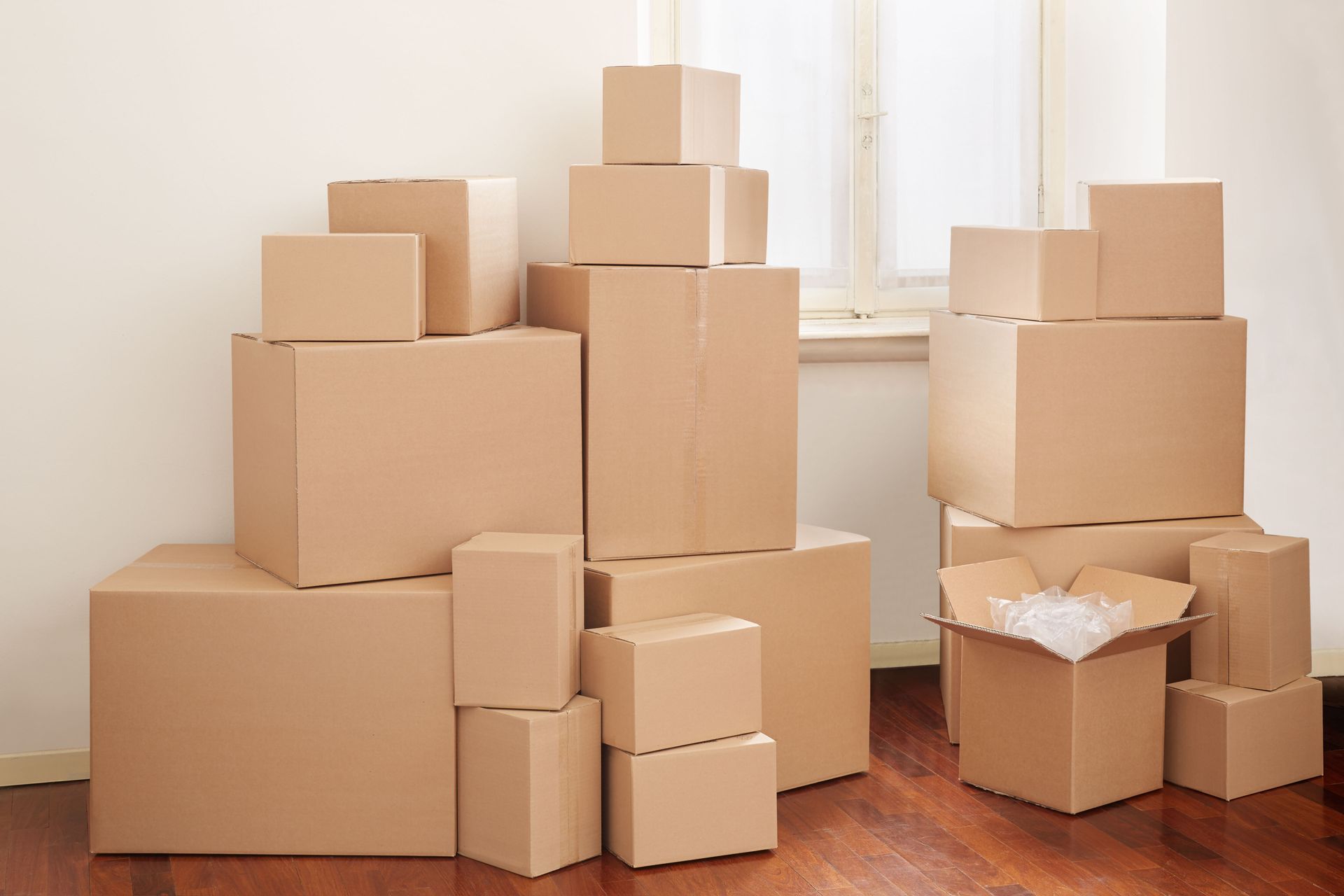
Packing is the first and most important step in protecting belongings during a relocation. Items must be wrapped, cushioned, and placed into boxes in a way that prevents movement and minimizes the chance of damage. High-quality packing materials such as durable boxes, protective wrapping, and cushioning fillers help absorb shock during transport. Fragile belongings like dishes, glassware, and decorative items benefit from layered protection that keeps them separated and stabilized inside boxes.
Every item requires a slightly different packing strategy. Small household goods are grouped efficiently, while fragile or irregularly shaped belongings often receive specialized treatment. Artwork, mirrors, and antiques may require reinforced boxes or protective framing materials to shield delicate surfaces. Electronics benefit from padded compartments that protect sensitive components from vibration and pressure. Thoughtful preparation ensures items remain secure even during longer trips. Professional movers also take time to secure lids, seal boxes properly, and prevent gaps that could allow items to shift. Filling space with packing paper or soft materials adds stability and keeps contents firmly in place while the vehicle is in motion.
Labeling is another important element of the packing process. Clearly marked boxes help ensure items are placed in the correct rooms upon arrival, which reduces unnecessary handling and limits the chance of breakage. Organized labeling also allows movers to track inventory more easily and maintain order throughout the move. This attention to detail makes unpacking simpler while preserving the safety of household belongings. Detailed labels may also identify fragile contents, which alerts movers to handle those boxes with additional care during both loading and unloading.
Organizing the Loading Process
Once packing is complete, the next step involves organizing items inside the moving vehicle. Careful loading prevents shifting and maintains balance throughout the trip. Heavy furniture and large appliances are typically positioned first, forming a stable base that supports lighter boxes. Weight distribution across the truck is carefully considered so the vehicle remains steady during transportation. Strategic placement also helps protect delicate belongings by ensuring they are not compressed beneath heavier objects.
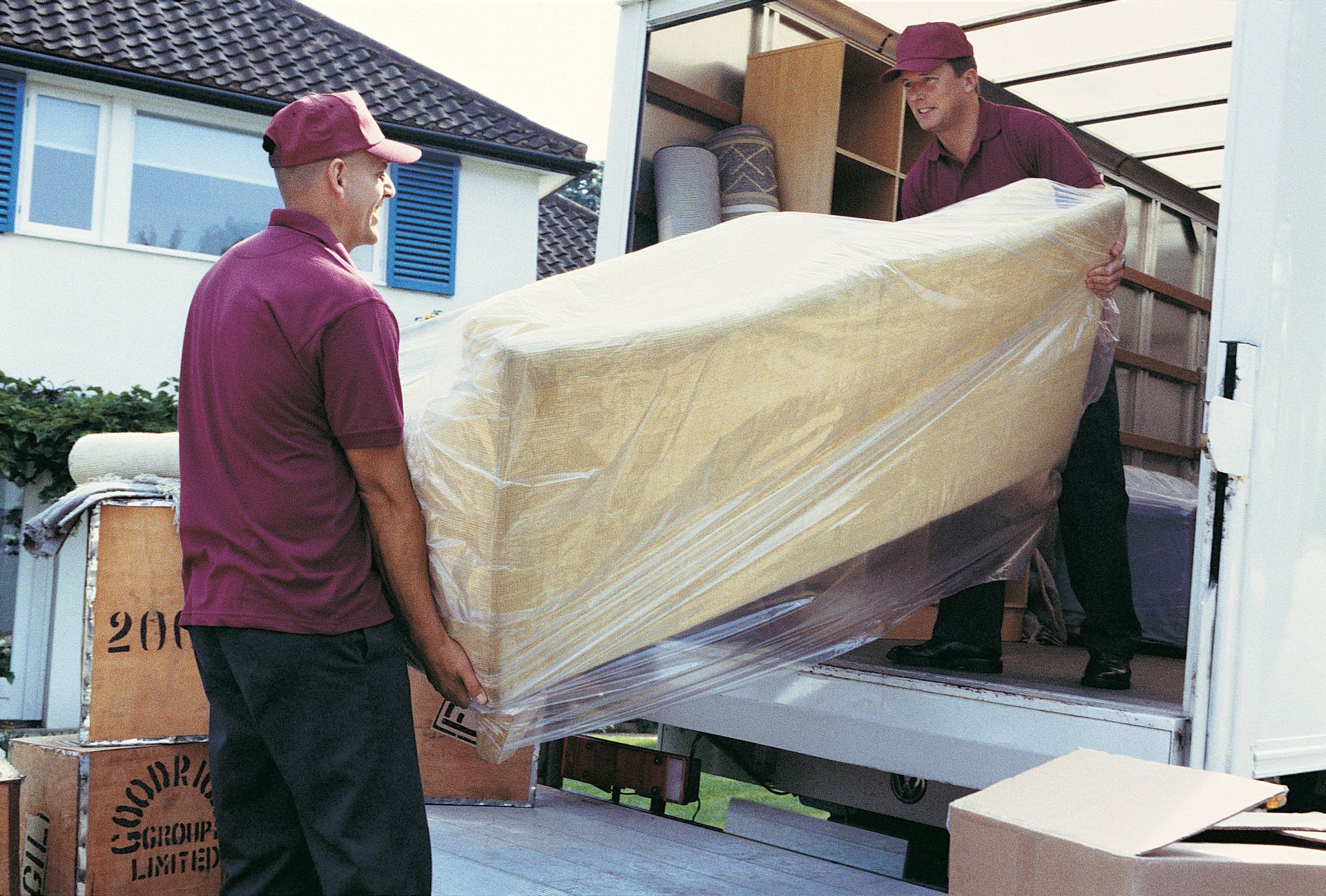
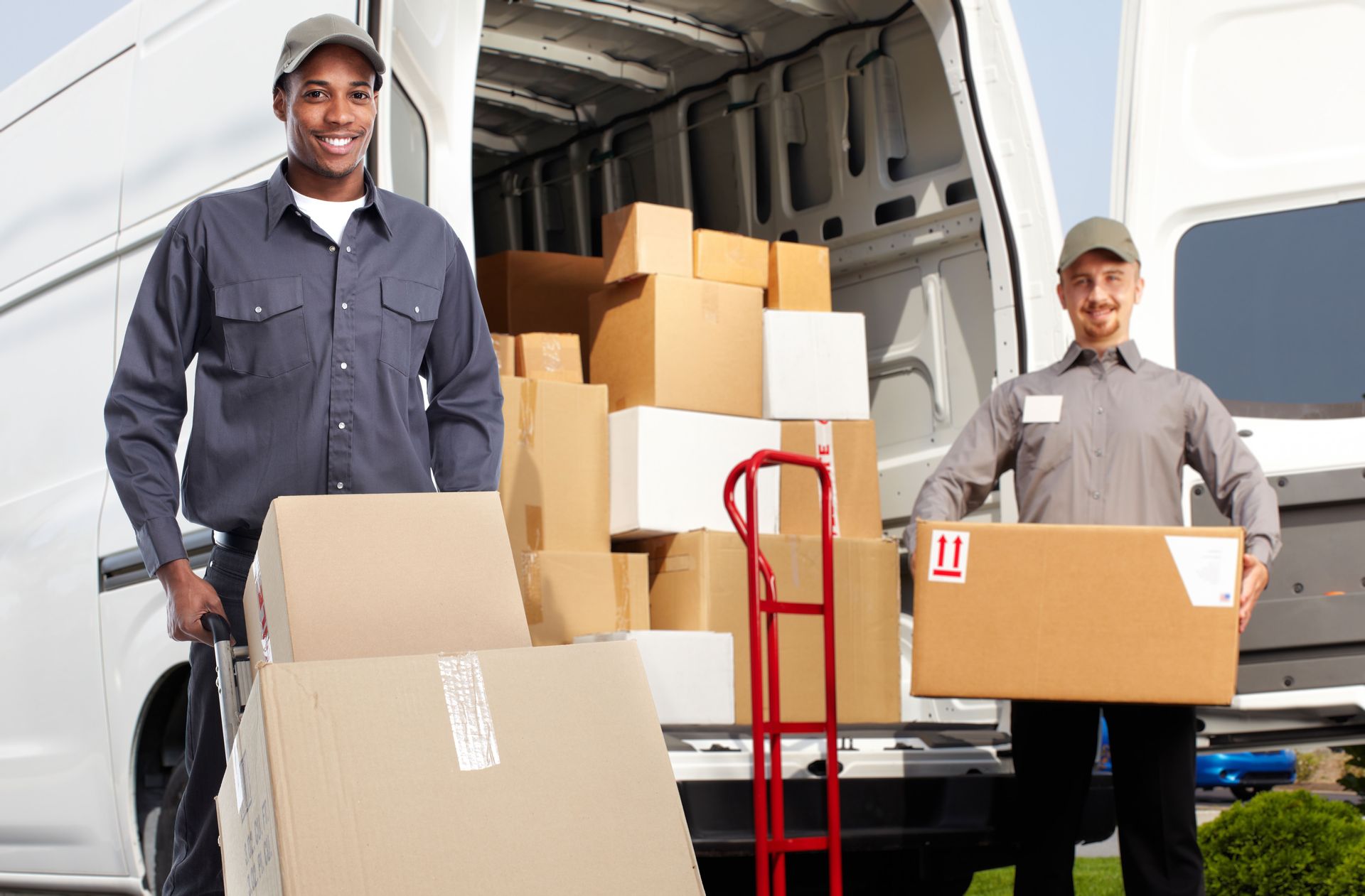
Professional equipment plays an important role in safe loading. Dollies, lifting straps, and ramps help move large or heavy items while reducing the risk of drops or sudden impacts. These tools allow movers to handle bulky furniture and appliances with precision while maintaining proper support and control. Protective coverings are also used to prevent scratches or dents as items are moved through doorways and hallways.
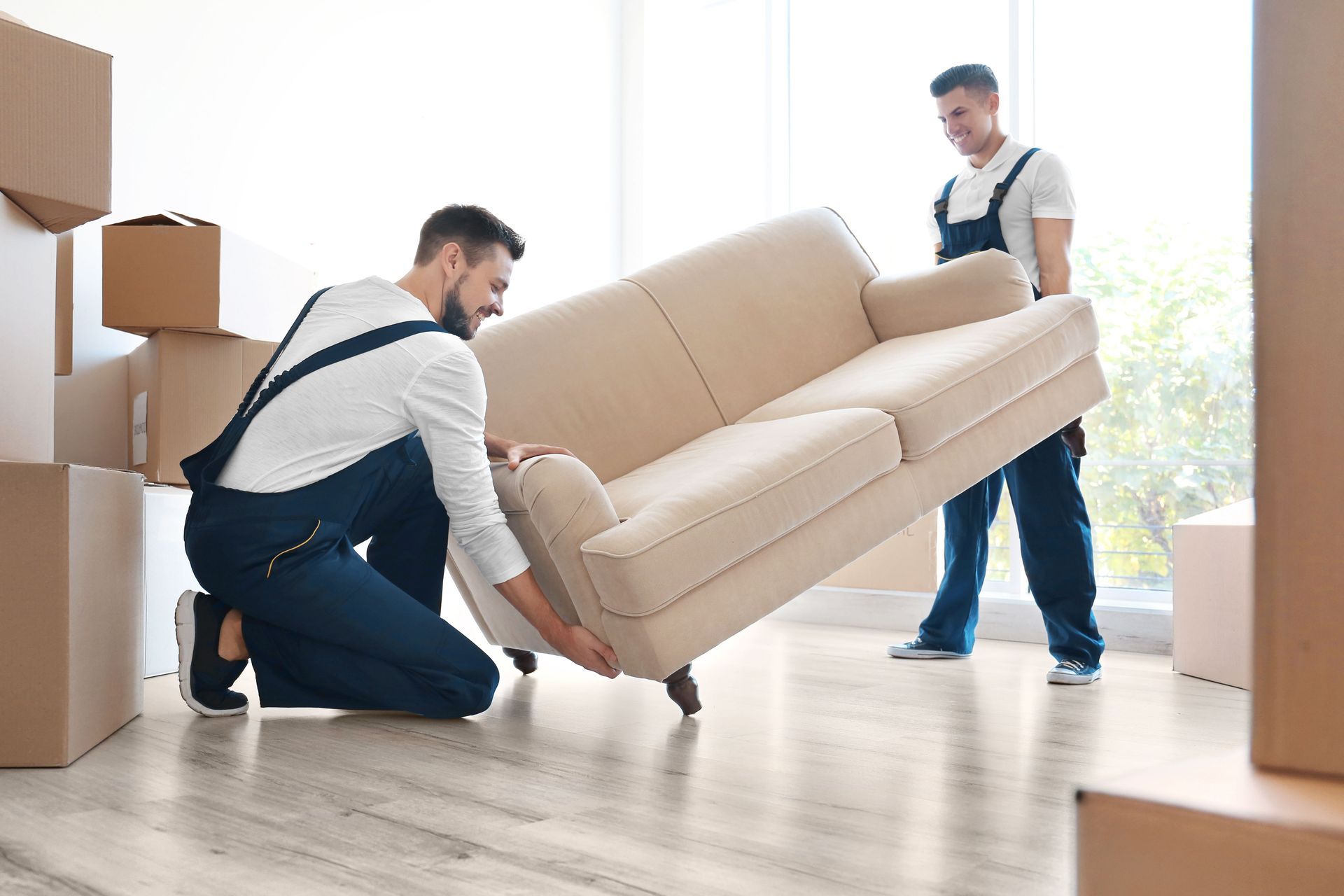
Team coordination ensures that loading proceeds smoothly. Each person involved in the process understands their role, which reduces confusion and keeps belongings moving safely from the home into the truck. Clear communication helps prevent accidents and allows the team to handle large pieces with coordinated movements. Organized loading ultimately protects both the belongings and the people transporting them.
Securing Items During Transportation
Protecting belongings during the journey requires more than careful packing and loading. Once everything is inside the truck, items must be secured to prevent movement as the vehicle accelerates, turns, or stops. Straps, braces, and interior barriers are commonly used to hold furniture and stacked boxes in place. These supports keep items from shifting, which significantly reduces the chance of collisions between objects.
According to Harvard Joint Center for Housing Studies, residential mobility trends show that local moves remain the most common form of relocation, even as overall move rates fluctuate. Because shorter moves occur so frequently, securing loads properly is essential even when travel distances are relatively small. Bumps in the road or sudden braking can still create movement inside the vehicle if belongings are not properly stabilized.
Vehicle preparation and route planning also contribute to safer transport. Regular maintenance helps ensure the truck operates reliably, while thoughtful route selection avoids road hazards that could increase risk during transit. Monitoring weather conditions and traffic patterns allows crews to adapt their plans when necessary, helping belongings arrive safely regardless of changing circumstances.
Handling Specialty and Fragile Belongings
Some items require specialized attention because of their size, fragility, or value. Large furniture pieces are often partially disassembled so they can be transported safely through tight spaces and secured more effectively inside the vehicle. Components are wrapped individually to prevent scratches, while hardware is carefully labeled to simplify reassembly later.
Delicate electronics and appliances require additional protective measures. Anti-static wrapping, padded compartments, and careful cable management help prevent internal damage and keep components organized. Temperature-sensitive items may also require additional precautions to avoid exposure to extreme conditions during transport. These practices help ensure devices remain functional once they are installed in the new home.
Artwork, antiques, and collectibles often require the highest level of protection. Custom crates or reinforced boxes may be used to prevent pressure on fragile surfaces. Extra cushioning materials help absorb vibration and prevent movement during transit. Careful handling techniques are essential for preserving both the structural condition and visual quality of these valuable possessions.
Providing Post-Move Support and Organization
Protection does not end when the moving truck arrives at the destination. The unloading process must follow the same careful procedures used during loading. Items are removed in a structured order so heavy furniture can be positioned first and lighter boxes can be placed in their designated rooms. This organized approach reduces the need for unnecessary repositioning and prevents accidental damage.
After unloading, an inspection allows homeowners to review their belongings and ensure everything arrived safely. Inventory records and labeled boxes help verify that items are accounted for and placed in the correct locations. This step also makes it easier to identify any concerns quickly so they can be addressed promptly.
Many relocation teams also assist with unpacking and furniture placement. This additional support helps households settle into their new space more efficiently while minimizing the physical strain of handling large items. Organized unpacking keeps the home orderly during the transition and allows families to resume their daily routines more quickly.
Protecting household belongings during relocation requires preparation, coordination, and attention to detail. Careful packing techniques, structured loading methods, secure transportation practices, and thoughtful post-move organization all contribute to a safer moving experience. When each stage is handled methodically, furniture, valuables, and everyday items can be transported with minimal risk.
Working with experienced movers allows households to benefit from established systems designed to protect property at every step. From the first box packed to the final piece of furniture placed in its new room, each action is focused on maintaining the condition and organization of personal belongings. For more information about the services that we offer, reach out to our incredible team at P & L Movers today!