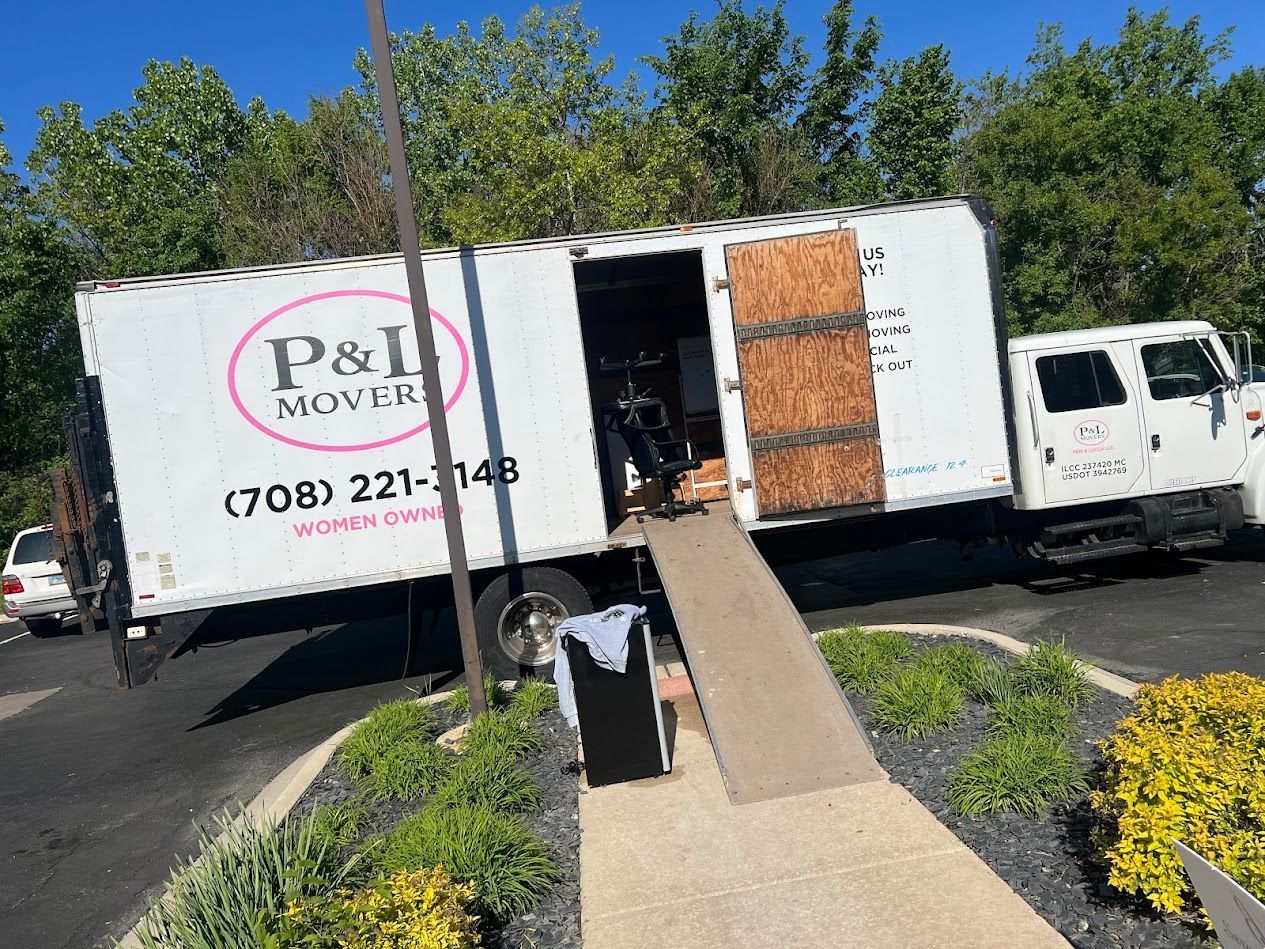
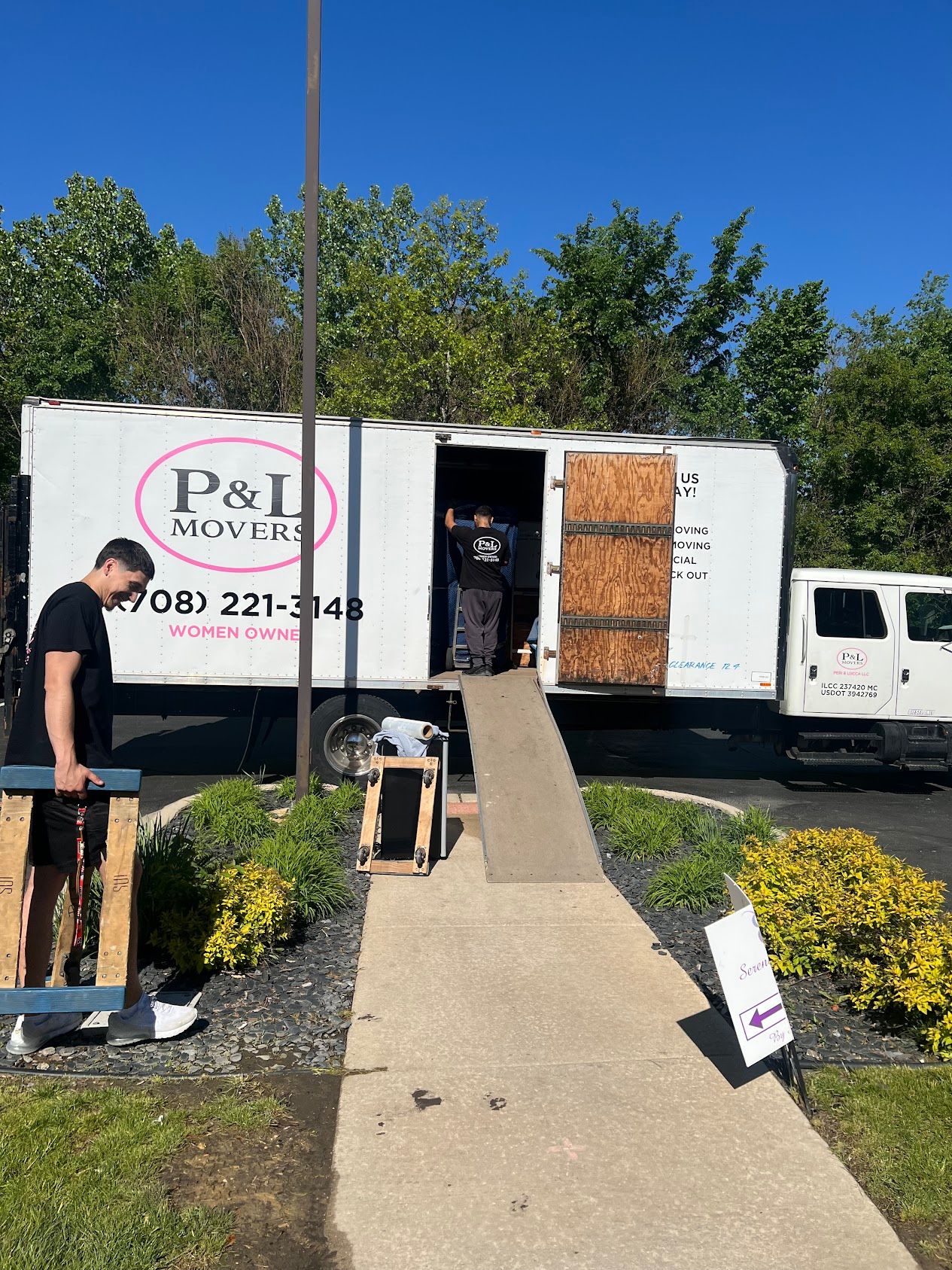
You don't necessarily need to handle every part of your move yourself to manage your budget. A little preparation can make the process more efficient.
1. Declutter Before Moving Day
Moving items you no longer need can increase the amount of packing, loading, and transportation required.
Donate usable belongings, sell unwanted furniture, or arrange junk removal before the movers arrive.
2. Pack in Advance
If you're packing yourself, begin with items you rarely use, such as seasonal decorations, books, and spare linens.
Clearly labeled boxes can also make unloading and unpacking more organized.
3. Reserve Your Moving Date Early
Booking in advance gives you more time to coordinate your move and ask about available dates.
This is especially useful during busy summer periods and around the end of the month.
4. Ask About Weekday Availability
If you can move during the week, ask whether your preferred moving company has availability that fits your schedule and budget.
Don't assume every weekday is cheaper; compare the actual estimate for your chosen dates.
5. Prepare Furniture and Belongings
Follow your moving company's instructions for preparing furniture, appliances, and household items.
If furniture disassembly is needed, clarify whether it is included in your requested services rather than assuming it is part of the standard move.
6. Confirm What Your Estimate Includes
Ask about labor, transportation, packing materials, additional services, and any other charges that could apply.
Review the written estimate and ask questions about anything you don't understand before scheduling.
7. Choose the Right Level of Moving Help
Some people need full-service moving and packing, while others only need help loading or unloading a rented truck.
Consider your schedule, physical capabilities, and the complexity of the move when choosing which services to request.